Understanding Luck in Casino Games
Luck is a fundamental concept in the realm of casino games, serving as a driving force behind the experiences of countless players. When stepping into a casino, individuals are often greeted by the allure and anticipation of fortuitous outcomes, believing that their fortunes can swing dramatically with each roll of the dice or spin of a wheel. For those seeking immediate gratification, the appeal of an instant withdrawal casino uk adds another layer of excitement to the experience. However, the nature of luck is complex and subjective, shaped by both psychological and environmental factors that can influence a player’s perception of their odds.
In many casino games, such as slot machines and roulette, outcomes are dictated by random number generators or the laws of probability. This randomness creates a thrilling experience, yet simultaneously reinforces the notion that luck is an unpredictable variable that can shift at any moment. Despite the inherent unpredictability, players often find solace in the belief that their luck can change, leading to emotional highs and lows as they chase the dream of winning big.
Moreover, the environment itself plays a crucial role in shaping perceptions of luck. The ambient sounds, flashing lights, and bustling crowds can create an atmosphere charged with excitement and hope. This sensory stimulation can reinforce a player’s belief in luck, leading them to feel that a winning streak is just around the corner. Ultimately, the interplay between individual beliefs and the casino environment creates a rich tapestry where luck seems both tangible and ephemeral.
The Psychological Aspect of Luck
The psychology of gambling reveals significant insights into how players perceive luck and its fluctuations. Cognitive biases, such as the gambler’s fallacy and confirmation bias, frequently manifest in casino settings. The gambler’s fallacy is the mistaken belief that past events can influence future outcomes, leading players to think that a win is due after a series of losses. This thinking can impact their betting strategies and heighten their emotional investment in the game.
Additionally, the power of storytelling plays a significant role in the psychology of luck. Players often share tales of their impressive wins or near-misses, which further cements their belief in changing fortunes. These narratives can create a sense of community and camaraderie among players, making them feel more connected to their luck. This social aspect not only fosters a shared optimism but also contributes to a cycle of belief where players feel empowered to change their luck simply through engagement.
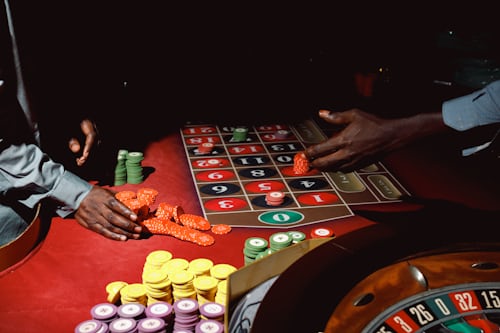
Furthermore, individual mindsets can significantly impact how players perceive their experiences in a casino. Those with a positive outlook may interpret outcomes more favorably, leading them to feel that luck is more likely to turn in their favor. Conversely, players with a negative perspective might focus on losses, reinforcing a belief that they are cursed or unlucky. This psychological interplay between individual beliefs and actual game outcomes can make the perception of changing luck both real and impactful within the casino environment.
The Role of Strategies in Perceived Luck
While luck plays an integral role in casino games, many players turn to strategies in an attempt to influence their fortunes. Different games demand different approaches; for instance, skill-based games like poker allow players to implement strategies based on their understanding of odds, psychology, and opponent behavior. The ability to make informed decisions can lead players to feel more in control of their luck, resulting in a more satisfying gaming experience.
In contrast, games that rely purely on chance, such as slot machines and bingo, offer less room for strategy. However, players often seek out patterns or betting systems that they believe can enhance their chances of winning. For example, some players may adopt progressive betting strategies, where they increase their bets after losses, convinced that luck will eventually swing in their favor. This approach can create a compelling narrative of changing fortunes, even though the underlying mechanics of the game remain unaffected by strategy.
Ultimately, the interplay between luck and strategy can foster a deeper level of engagement and excitement within the casino environment. Even when luck appears to be elusive, the act of strategizing can provide players with a sense of agency. This shift from passive expectation to active participation can change how individuals perceive and interact with their luck, creating a more dynamic and emotionally charged gambling experience.
Cultural Perspectives on Luck and Gambling
Luck is often viewed through various cultural lenses, influencing how individuals perceive their experiences in a casino environment. Different cultures have unique beliefs and practices surrounding luck and fortune, which can shape players’ behaviors and expectations in gambling contexts. For instance, in some cultures, certain numbers are considered lucky, while others may be viewed as unlucky. These beliefs can have a profound impact on the choices players make when engaging with casino games.
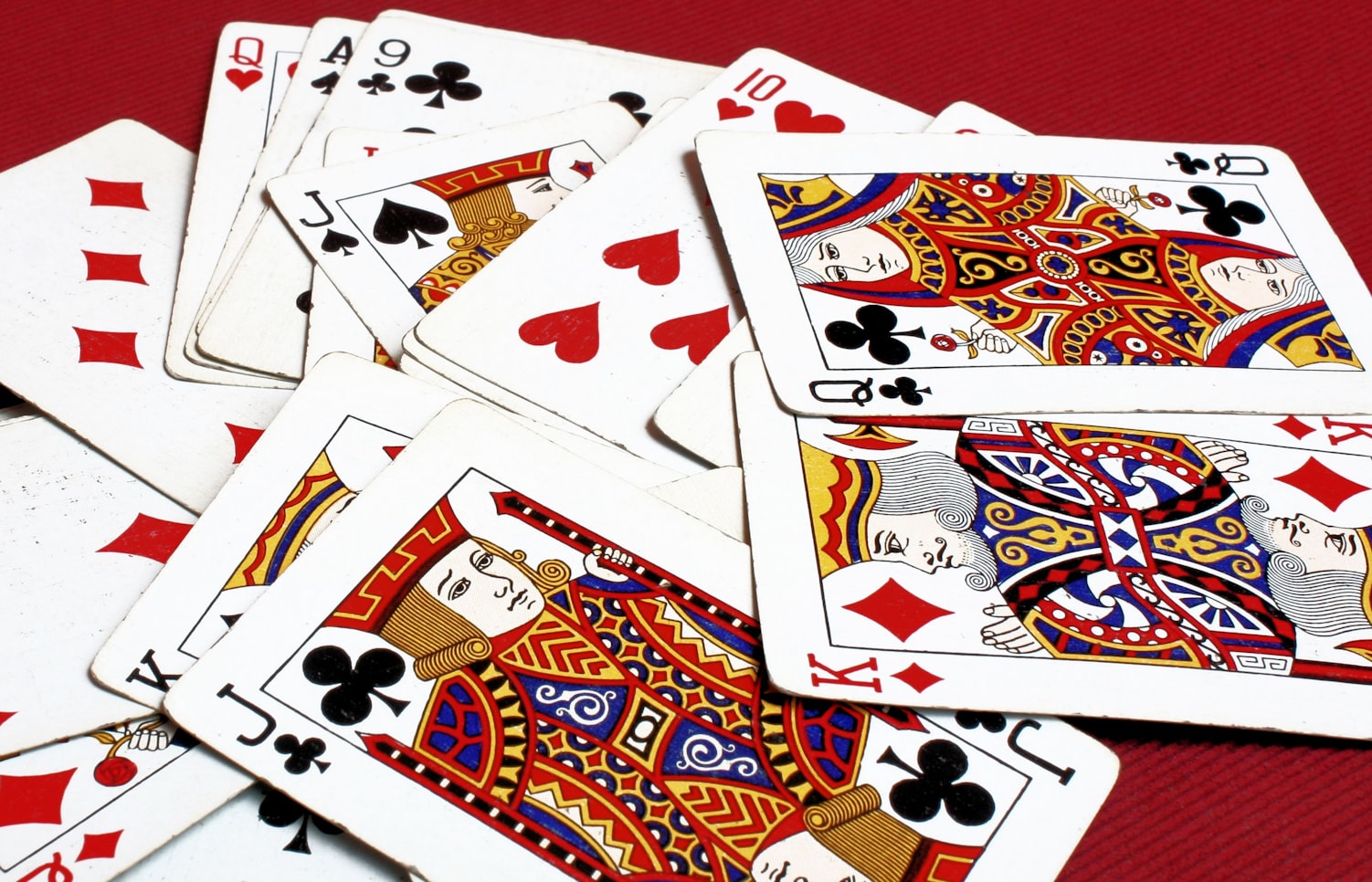
Additionally, rituals and superstitions play a significant role in how many gamblers interact with luck. Players may engage in specific behaviors, such as wearing lucky clothing or carrying charms, to attract favorable outcomes. These customs not only add a layer of personal significance to the gambling experience but also serve as a way to psychologically boost confidence and belief in changing luck. The cultural context surrounding gambling can transform luck from a mere abstract concept into a ritualistic practice.
Moreover, the social dynamics of gambling can also reflect cultural attitudes towards luck. In some cultures, communal gatherings to gamble are celebrated events, reinforcing a collective belief in shared luck. In contrast, other cultures may view gambling more cautiously, associating it with risk and potential loss. These diverse perspectives highlight that luck is not just an individual experience; it is deeply intertwined with cultural narratives that shape how people engage with the concept of luck in a casino setting.
Conclusion and Reflections on Your Casino Experience
In conclusion, the question of whether luck can truly change in a casino environment remains open to interpretation. While the mechanics of gambling games often hinge on chance, players’ perceptions of luck are deeply influenced by psychological factors, strategies, and cultural beliefs. Whether one views luck as a fickle companion or a reliable ally, the experience of gambling is undeniably exhilarating, shaped by emotions that ebb and flow with every game played.
As you navigate the vibrant and unpredictable landscape of a casino, consider how your beliefs, strategies, and cultural perspectives influence your experience. Embrace the thrill of chance, but also acknowledge the power of your mindset in shaping your perceptions of luck. Ultimately, the journey through the casino experience is as much about personal growth and understanding as it is about winning or losing.
For more insightful content on gaming and the nuances of luck, explore resources that delve into the complexities of the gambling world. Understanding how your mindset, strategies, and cultural influences intersect can enhance your overall experience, allowing you to appreciate the intricate dance between luck and skill in the captivating casino environment.